AI coworkers in the public sector: finding responsible scale at municipalities and agencies
The public sector can't afford automation that isn't explainable. An AI coworker that runs in NL, doesn't train on your data and has every decision approved fits inside those frames.
AI in the public sector: the frames are tighter, and for good reason
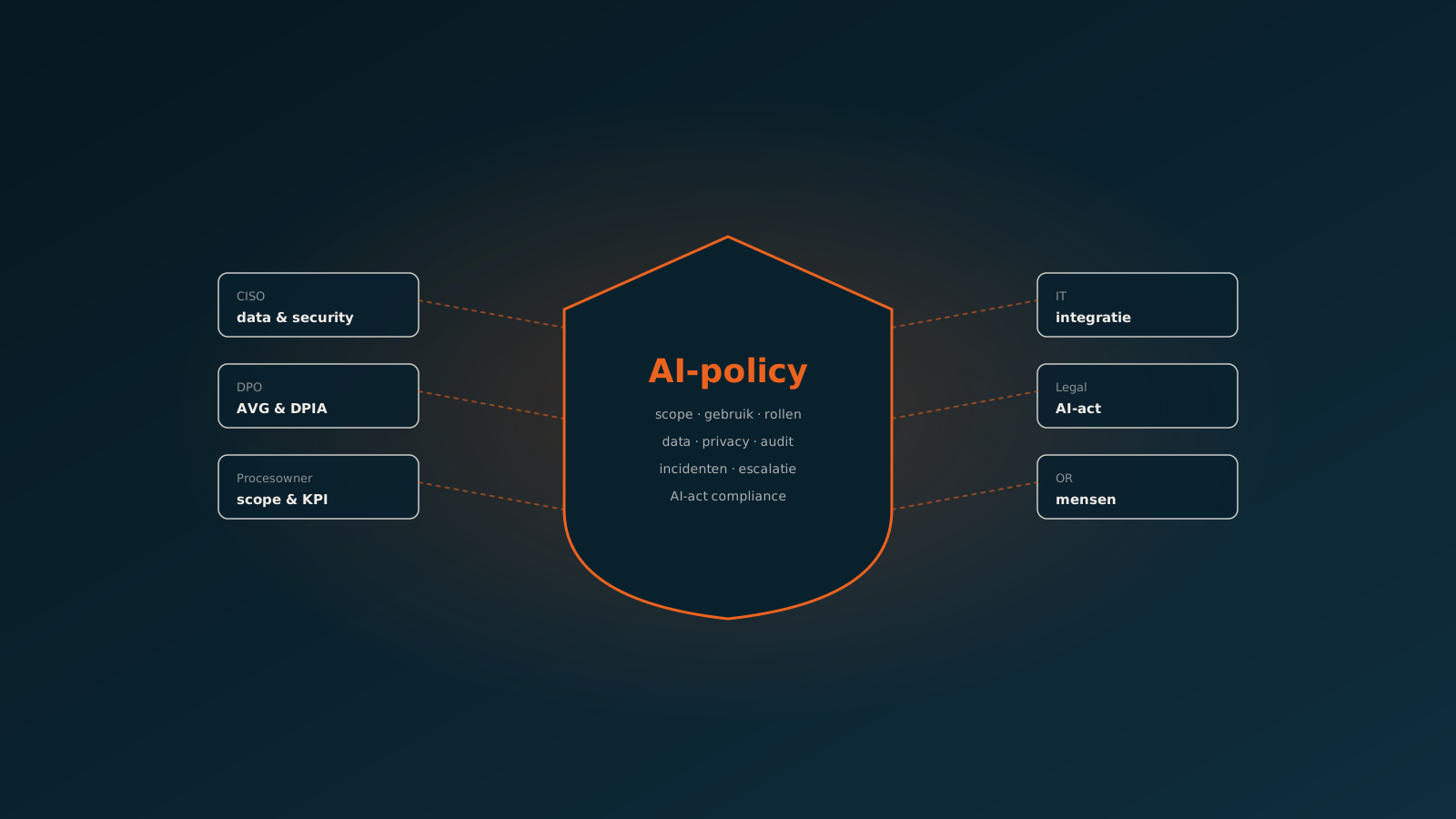
A municipality or agency can't afford a black box. Decisions must be explainable, data must stay inside the right jurisdiction, and every processing step has to align with GDPR, sector regulations and security baselines. The EU AI Act makes those requirements more explicit, not heavier, because good municipalities already worked this way.
That doesn't mean AI has no place here, it means the choice of an AI coworker has to be different. Processing in the Netherlands, no training on customer data, full audit trail, and human-in-the-loop on every decision that touches a citizen. Those starting points already exclude many market-standard tools, and they sharpen the choice for the rest.
Where AI coworkers fit at municipalities
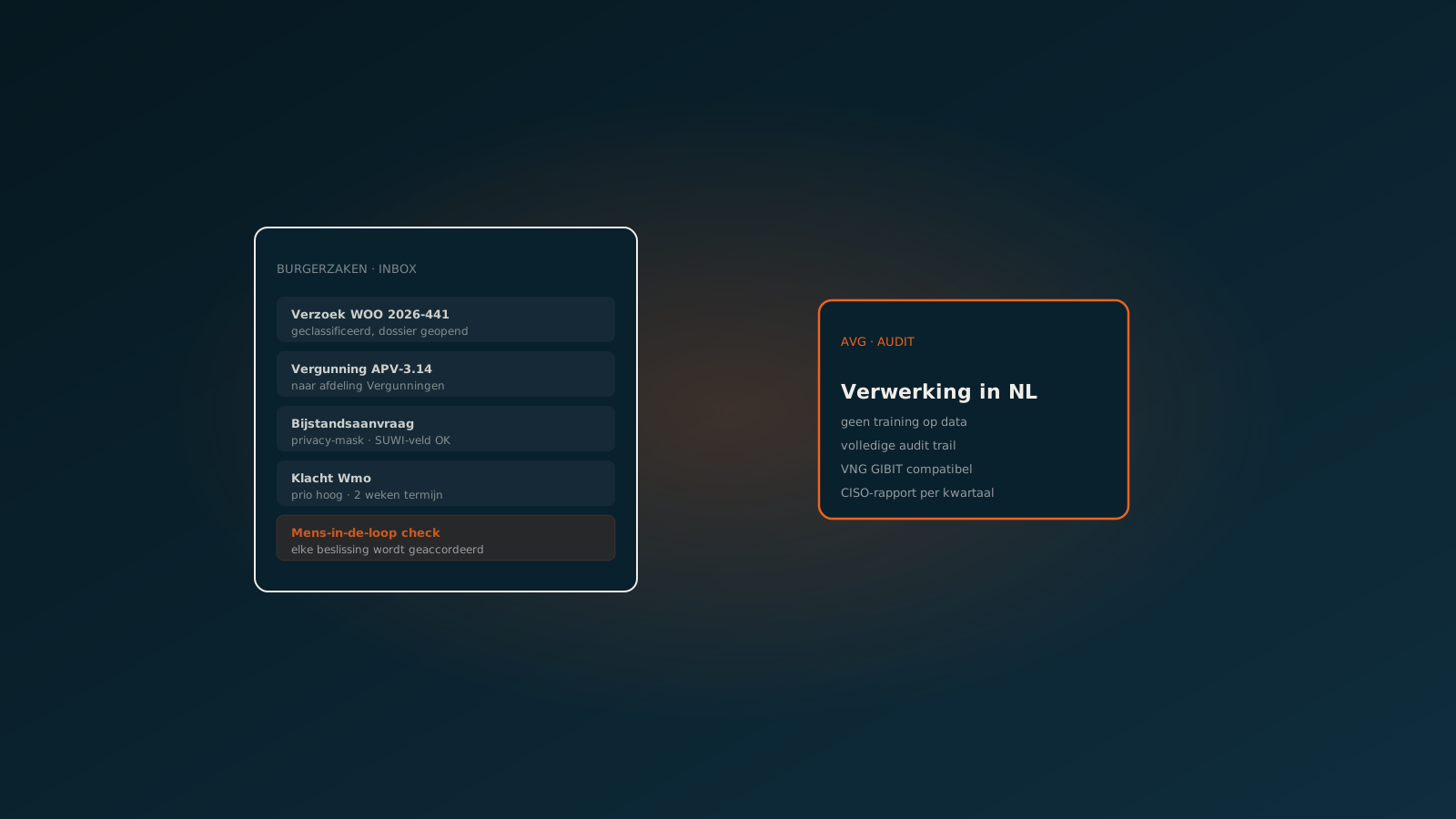
Not on legal decisions, those stay with public servants with mandate. But on preparation: classifying WOO (freedom of information) requests and drafting answers, pre-sorting permit applications to the right department, registering complaints in the right systems, routing inbound mail to file and case worker.
Citizen services: triage and first answer
The customer contact centre handles the bulk of incoming questions. Address changes, certificate requests, dog tax questions, public space reports. An AI coworker classifies incoming email, judges urgency, drafts a first answer with the right information, and prepares the file for the case worker if further action is needed. The public servant approves, the citizen gets a reply, the file moves on.
WOO requests and permits
A WOO request has strict deadlines and a defined process. The AI coworker registers it, opens a case in the case system (Zaaksysteem.nl, Djuma, Decos, iBabs), retrieves likely relevant documents based on search terms, and prepares a first draft of what can be made public and what must be withheld. The lawyer reviews, approves, and the citizen receives the decision within the statutory window.
Where human-in-the-loop is always mandatory:
- Every decision with a legal effect on a citizen (granting or refusing a permit, awarding a benefit).
- WOO decisions on disclosure or withholding.
- Complaints requiring a formal answer.
- Social domain: indications, reassessments and care assignments.
- Enforcement decisions.
Privacy and compliance as a design choice
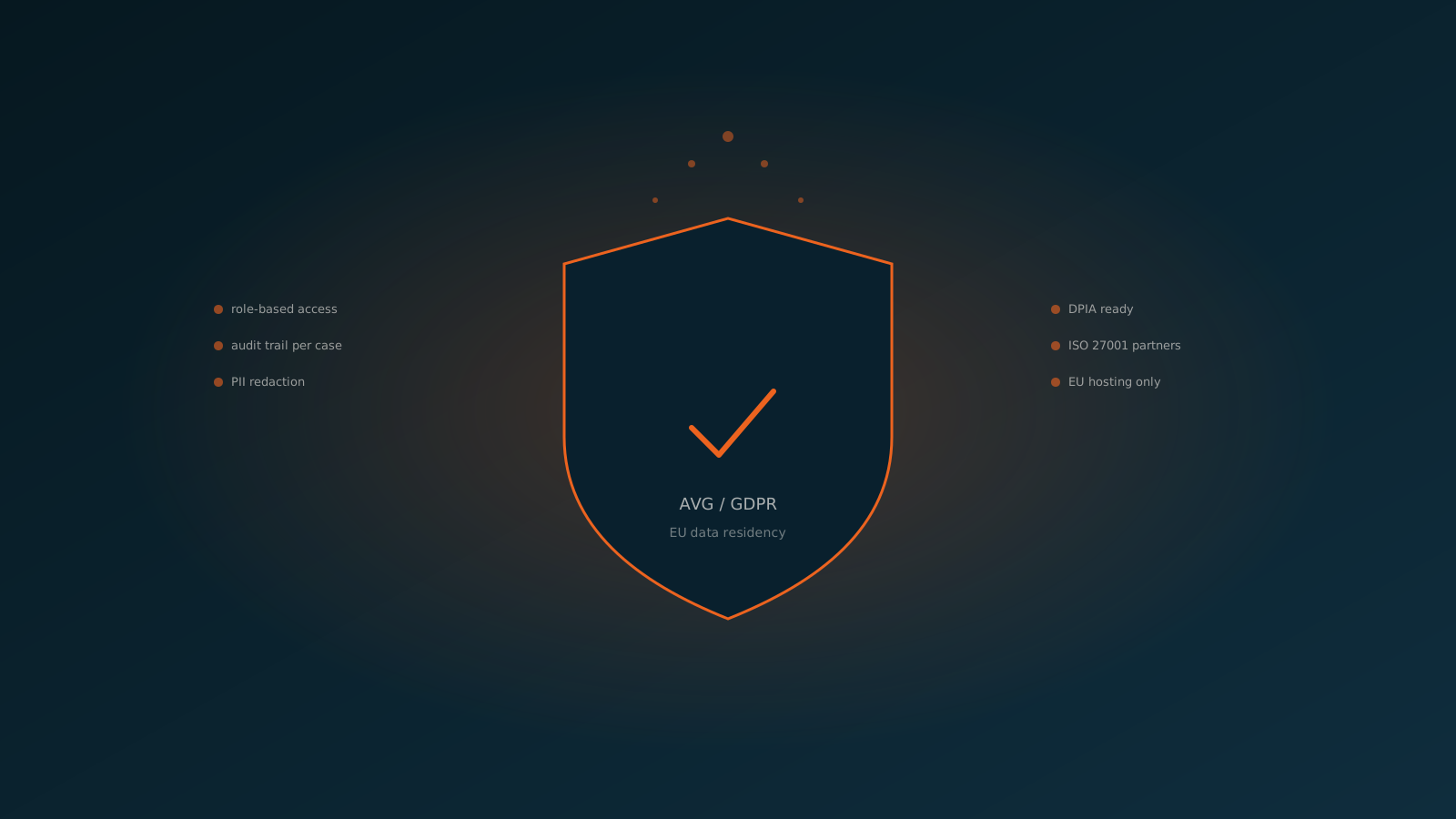
Processing on infrastructure in the Netherlands, no training on file content, GDPR-compliant retention on the logs, and integration with your own identity provider for authentication. For GIBIT-aligned audit and logging is available. The CISO and DPO get their own dashboard, not a password on a vendor portal.
What municipalities are left with
Statutory deadlines for WOO requests and permits get met more predictably. The contact centre sees fewer repeat questions, because first-line answers are faster and more consistent. Public servants keep time for the cases that really call for their judgement. And the council and auditor get an audit trail that holds up in a books examination. Plan a Quick Scan if you'd like to explore which flow in your organisation is the most responsible to strengthen.
Keep reading
More insights
Curious what an AI coworker can do for your process?
Book a no-strings Quick Scan and explore the options.
Book a Quick Scan